Apparel Manufacturing & SourcingTKT-8A47
BATEXPO 2026 to showcase Bangladesh's transformed RMG base
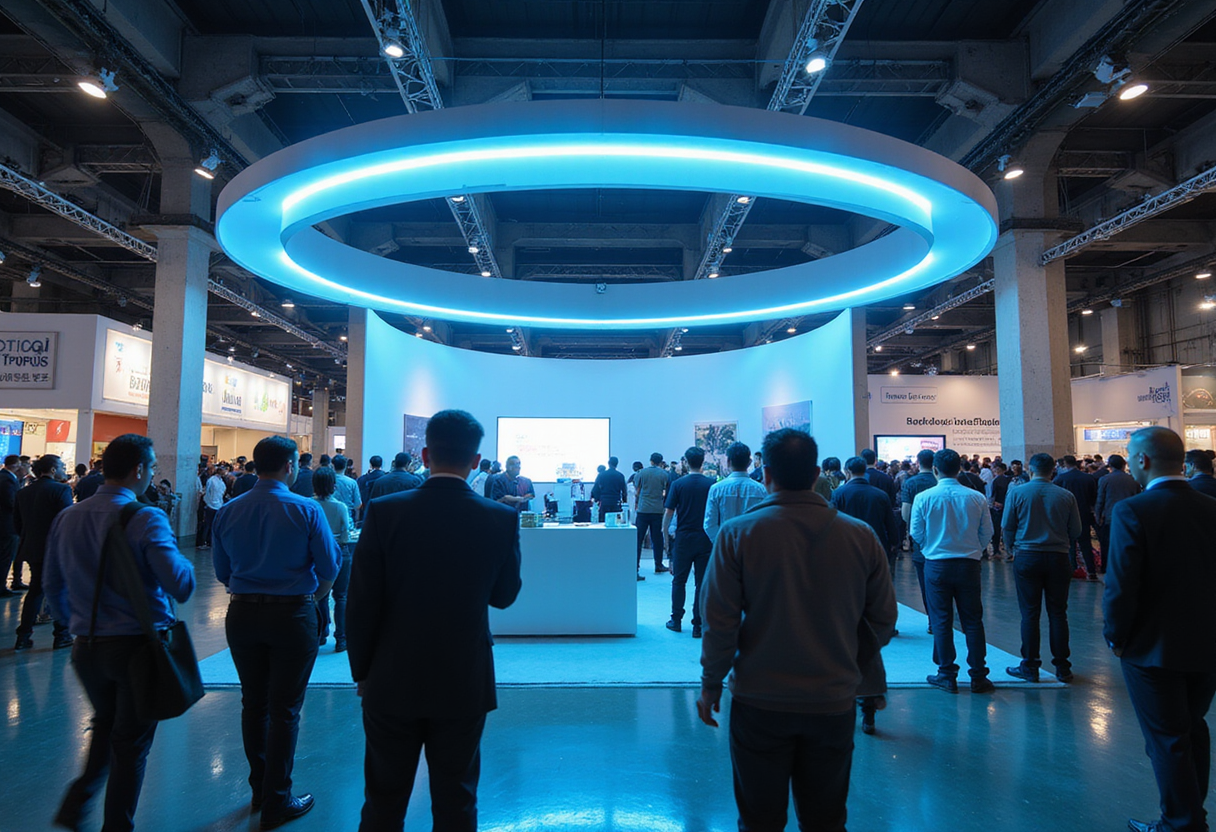
BATEXPO 2026 is set to position Bangladesh's transformed readymade garment sector in front of international buyers, framing the upcoming Dhaka expo as a showcase of upgraded manufacturing, compliance, and capacity.
- Cut
- October 10, 2026
- Sew
- 2 min
- Ticket
- TKT-8A47
Construction
BATEXPO 2026 scheduled to showcase Bangladesh's transformed RMG sector to international buyers
Bangladesh ranks as the world's second-largest apparel exporter by volume
Event positioning tied to capacity upgrades, safety remediation, finishing expansion, and vendor consolidation
Buyer-code compliance references include RBA, ZDHC, BSCI, SA8000 alongside Bangladesh's Labour Act amendments and EPZ wage structures
Show framed as a domestic venue for buyers to pressure-test the transformation narrative
BATEXPO 2026 is scheduled to put Bangladesh's readymade garment (RMG) sector in front of international buyers as a showcase of the country's transformed manufacturing base.
The "transformed" framing in the event announcement carries sourcing significance: it signals a deliberate shift away from the cost-arbitrage narrative that has historically anchored Bangladesh's appeal, and toward capability, compliance, and capital investment.
What "transformed" means on a sourcing map
Bangladesh remains the world's second-largest apparel exporter by volume. The country's growth across woven, knit, and denim categories has reshaped the buyer mix, with European and North American mass-market retailers anchoring a meaningful share of order books.
The "transformation" descriptor generally points to four areas sourcing teams track:
- Post-disaster safety remediation, much of which has shifted from reactive rebuilding into routine compliance verification
- Up-mix into man-made fibres and technical knits, where Bangladesh has historically trailed regional competitors
- Expansion of in-country finishing capacity (dyeing, printing, washing) that previously required cross-border sourcing
- Vendor consolidation, with larger compliant groups absorbing sub-tier orders previously split across hundreds of smaller units
A domestic expo gives the host country control over how these investments are framed, without the noise of competing messaging at international shows.
What sourcing desks will be watching
The sourcing question that follows the announcement is sharper than the headline suggests. Trade desks will want to know:
- Which tier-1 and tier-2 manufacturers are using the show floor to signal new product categories
- Whether the machinery on display — typically sewing, cutting, dyeing, and finishing lines — corresponds with announced capacity expansions or runs as routine vendor demonstrations
- How buyer-code compliance (RBA, ZDHC, BSCI, SA8000) and Bangladesh-specific regulation (Labour Act amendments, EPZ wage structures) feature in the exhibition narrative
- Whether new entrants are joining the showcase alongside established groups, or whether the lineup reflects consolidation rather than expansion
Sourcing managers operating through Dhaka offices or agent intermediaries will use the show floor to pressure-test vendor capability claims made over the previous production cycle.
What the announcement forces on sourcing strategy
The headline reads as a deliberate positioning statement. Bangladesh is asking buyers to recalibrate their sourcing view of the country — from a high-volume, price-driven destination to a full-package manufacturing base.
That recalibration is not automatic. It requires the transformation narrative to hold against three audit-grade metrics: compliance performance against buyer codes, on-time delivery against seasonal order windows, and product-mix capability for categories historically sourced elsewhere.
If the conversion holds, Bangladesh absorbs incremental Tier-1 volume that would otherwise have flowed to Vietnam, Cambodia, or Ethiopia. If it does not, the buying pattern stays anchored at the established lower-margin placement.
BATEXPO 2026 will be the first domestic venue where sourcing teams pressure-test the transformation narrative in public.
via Google News: Apparel manufacturing and sourcing (Source)
More from Tom Whitfield
Show full bio
Staff writer covering companies, deals and strategy in Light industry and softgoods manufacturing at Softgoods Report.
258 articles