Home & Household TextilesTKT-F93D
Bed Bath & Beyond parent terminates planned merger transaction
Bed Bath & Beyond's parent has cancelled a merger transaction, Home Textiles Today reports, pushing suppliers to re-verify contracting entities and credit limits.
- Cut
- October 10, 2026
- Sew
- 3 min
- Ticket
- TKT-F93D
Construction
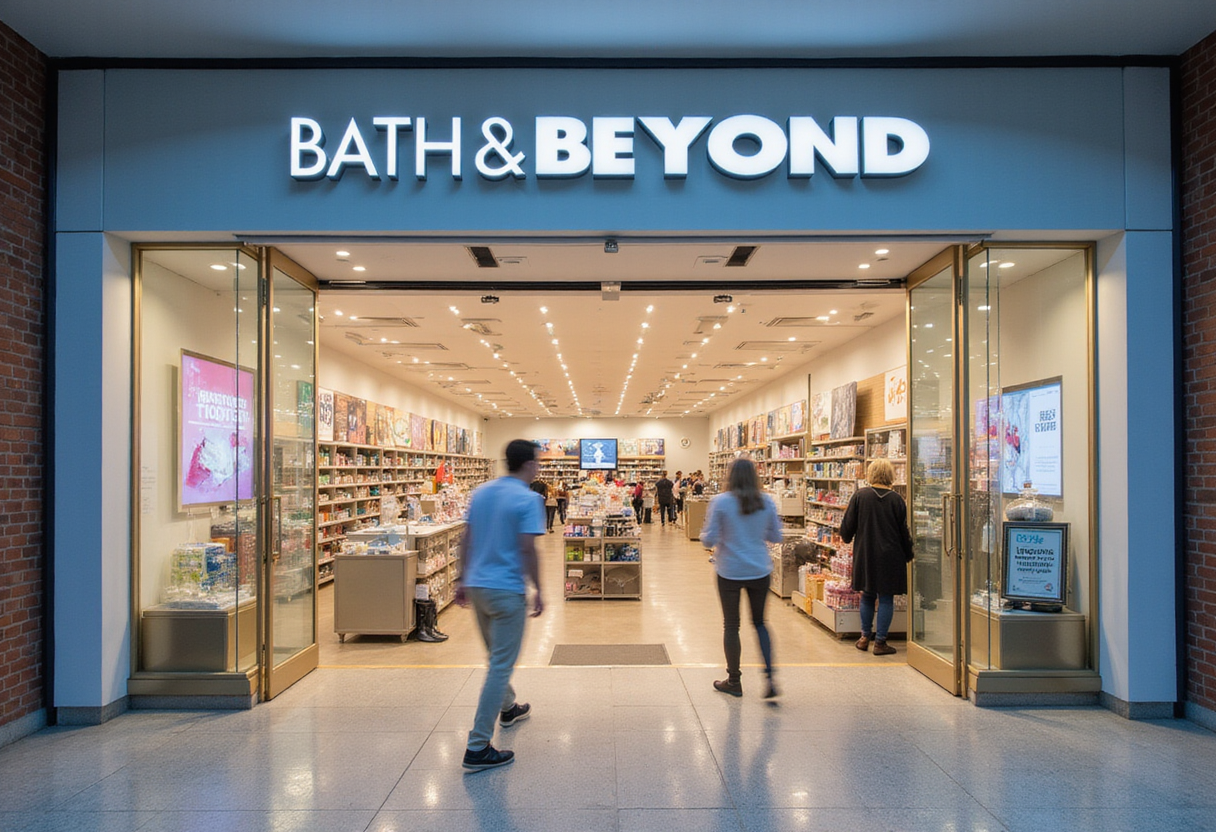
Bed Bath & Beyond's parent company has cancelled a merger transaction, Home Textiles Today reports.
The report does not disclose the counterparty, deal value, or rationale for the cancellation.
The original Bed Bath & Beyond estate went through a court-supervised process in 2023 before the brand's relaunch.
The parent company of Bed Bath & Beyond has cancelled a merger transaction that had been in progress, Home Textiles Today reports. The decision halts a corporate-level deal rather than any announced store or sourcing programme, but it lands at a time when vendors to the home-textiles channel already treat the banner as a high-risk account.
The report confirms only the termination of the transaction itself. Home Textiles Today's headline item does not disclose the counterparty, the deal value, or the strategic rationale behind the cancellation, and no executive commentary accompanied the announcement. That absence of detail is itself information for trade creditors: a deal pulled without a negotiated narrative usually signals that financing terms, regulatory conditions, or valuation could not be reconciled.
Why does a cancelled merger matter to suppliers?
For mills, converters, and finished-goods vendors shipping into Bed Bath & Beyond, corporate-structure news drives two practical questions. The first is counterparty risk: which legal entity signs the purchase order, holds the open-account balance, and controls the payment run. The second is continuity: whether a change at the parent level delays vendor onboarding, remodel programmes, or category reviews that factories had built capacity around.
Mergers and their cancellations both freeze decision-making. Buyers postpone commitments while the org chart is in flux, and cancelled deals extend that ambiguity because the underlying strategic problem the deal was meant to solve remains unresolved.
Home-textiles suppliers have been here before. The Bed Bath & Beyond estate went through a court-supervised process in 2023, after which the brand was acquired and relaunched as an online-led retail operation. Vendors shipping into the relaunched banner have since operated with tightened payment terms, reduced order depths, and in many cases credit insurance or letter-of-credit cover in place of open account.
What should sourcing desks do now?
The termination forces a short list of compliance and credit actions rather than a merchandising response:
- Re-verify the contracting entity on every active purchase order and confirm whether payment obligations sit at the operating-retailer level or the parent.
- Check credit-insurance limits and buyer-credit grades against the current limit set by Euler Hermes, Coface, or equivalent underwriters; cancellations of corporate transactions can trigger re-ratings.
- Hold any capacity commitments — reserved loom time, booked finishing slots, dyed greige — pending written confirmation of delivery windows from the buying office.
- Require updated terms sheets before shipping any Q4 or holiday-season home-textiles programmes, particularly bedding and bath basics where order volumes are largest.
Suppliers with diversified retail exposure can absorb a slower Bed Bath & Beyond account. Single-customer vendors in the US home-textiles channel cannot, and for them the cancelled transaction is a prompt to rebalance the book toward banners with cleaner balance sheets.
What is confirmed and what is rumour?
Confirmed, per Home Textiles Today: the parent company of Bed Bath & Beyond has axed a merger transaction. Everything else — counterparty identity, deal value, financing conditions, and what corporate action follows — remains unreported at this stage. Trade desks should treat any attribution of motives or named counterparties circulating in market chatter as rumour until the company or a named financial publication confirms it.
The sourcing decision this news forces is narrow but real: reassess credit exposure to the Bed Bath & Beyond parent structure now, before the next order cycle, and document which entity owes what before any further corporate restructuring reaches the vendor file.
via Google News: Home textiles (Source)
More from Olivia Hart
Show full bio
Senior reporter covering regulation, policy and their impact on Light industry and softgoods manufacturing at Softgoods Report.
227 articles