Apparel Manufacturing & SourcingTKT-2A41
Billion Rise Opens High-Tech Apparel Factory in Vietnam
Billion Rise has opened a high-tech apparel factory in Vietnam, WWD reports, adding automated capacity as buyers push China-plus-one volume into the country.
- Cut
- October 9, 2026
- Sew
- 3 min
- Ticket
- TKT-2A41
Construction
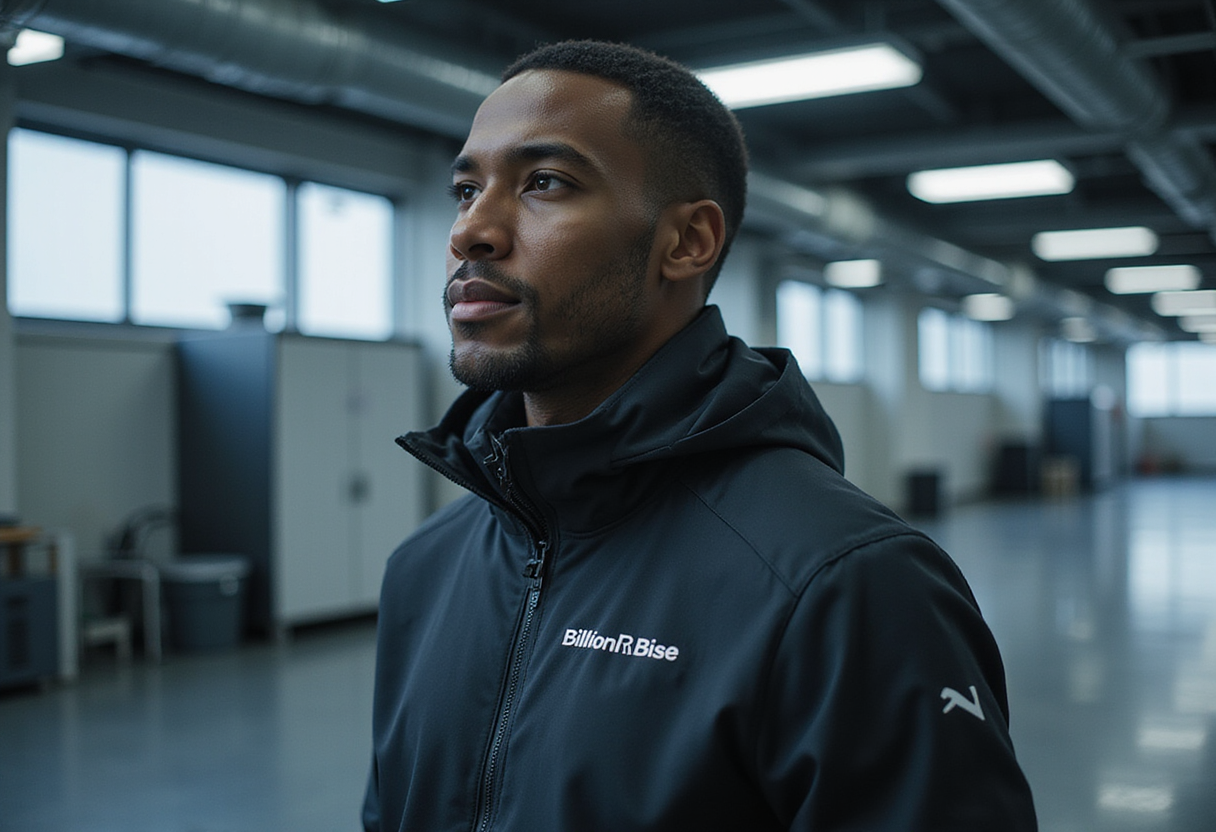
Billion Rise has opened a high-tech apparel factory in Vietnam, WWD reported
The company positions the plant as a high-technology operation rather than conventional cut-and-sew
Headcount, location, capacity figures, and buyer commitments were not disclosed in the initial report
The opening adds capacity as buyers divert order volume to Vietnam under China-plus-one strategies
Billion Rise has opened a high-tech apparel factory in Vietnam, according to a report by WWD on 12 June — the latest in a run of capacity investments redirecting soft-goods production toward Vietnamese industrial estates as buyers diversify beyond China and Bangladesh.
The opening, confirmed by WWD's trade reporting, adds automated manufacturing floor space to Vietnam's apparel base at a moment when the country's garment export sector is absorbing record order inquiries from US and European brands. Billion Rise positions the facility as a high-technology operation rather than a conventional cut-and-sew site, a distinction that matters for sourcing teams weighing which suppliers can hold tolerance and throughput on technical outerwear, activewear, and performance knits.
WWD did not disclose the plant's headcount, floor area, line count, or located province in its announcement coverage. Those gaps will be the first due-diligence items for any buyer evaluating the site.
Why does a new Vietnamese plant matter now?
Vietnam has become the default second leg in most China-plus-one sourcing strategies. Buyers moving volume there face three recurring constraints: available capacity that meets compliance audit thresholds, factories able to run technical constructions, and queue times at ports and industrial parks in the northern and southern corridors.
Every announced greenfield or upgraded facility directly addresses the first two. A supplier that invests in automation ahead of orders — rather than after them — typically signals access to committed volume or to financing secured against expected program placements. Sourcing directors will want to know which, and from which brands, before treating the capacity as available to them.
What should buyers verify before placing orders?
The confirmed facts at this stage are narrow: the company, the country, the high-tech positioning, and the fact of the opening as reported by WWD. Everything a compliance file requires remains unreported. Standard checks for a new Vietnamese apparel site include:
- Registration, ownership structure, and any parent-company disclosure, to establish which supply-chain tier Billion Rise occupies — branded supplier, OEM contractor, or subcontractor
- Worker headcount and recruitment terms, the baseline number for both capacity planning and social-compliance scoping
- Higg FEM and FSLM scores or equivalent third-party audit status, given that buyer codes increasingly require verified data rather than self-declaration
- Machine list and automation scope, to test the "high-tech" claim against concrete capabilities such as automated cutting, sewing automation, or digital workflow systems
- Any disclosed buyer commitments or letters of intent, which would distinguish this from speculative capacity
None of those items appears in the initial report. Treat the plant as announced capacity, not yet audited capacity.
How does this fit the regional capacity picture?
Supplier-side capital has been flowing into Vietnam across footwear and apparel for several seasons, driven by tariff exposure on China-origin goods, by buyers' post-Rana Plaza compliance demands, and by lead-time pressure that favors vertically integrated Asian hubs. Openings like this one are the mechanism through which those sourcing shifts become physical: order volume follows installed, audit-passable capacity.
For brands already producing in Vietnam, a new entrant adds negotiating leverage at existing vendors at the next price round. For brands not yet in the country, it adds a candidate site — but one whose compliance posture, wage structure, and delivery record are entirely unproven in the public record.
The decision this forces
Sourcing and compliance leads with China-plus-one exposure should log the opening now and gate it: request the factory profile, audit status, and automation specifications through their normal vendor-onboarding process before quoting programs against it. Until Billion Rise discloses headcount, certifications, and reference customers, the responsible read is opportunity-flagged-unverified — capacity that exists, capability not yet demonstrated to any standard a buyer can cite.
via Google News: Apparel manufacturing and sourcing (Source)
More from James Calloway
Show full bio
Market editor covering people, launches and day-to-day practice in Light industry and softgoods manufacturing at Softgoods Report.
243 articles