Sustainability & ComplianceTKT-EBBE
Circ and Huafon to build polycotton recycling plant in China
Circ and Huafon will build a textile recycling plant in China processing 200 tonnes of polycotton waste daily, recovering PTA, MEG and cellulosic pulp for new textiles.
- Cut
- October 15, 2026
- Sew
- 3 min
- Ticket
- TKT-EBBE
Construction
Phase one of the Circ-Huafon facility will process around 200 metric tonnes of textile waste per day.
The process recycles polycotton waste into recycled PTA, MEG and cellulosic pulp.
Circ, Huafon and selected unnamed investors are jointly financing the project.
Huafon has over 30 years in materials manufacturing and owns the former DuPont Biomaterials business (Covation Biomaterials).
The project aligns with China's 15th Five-Year Plan circular economy priorities.
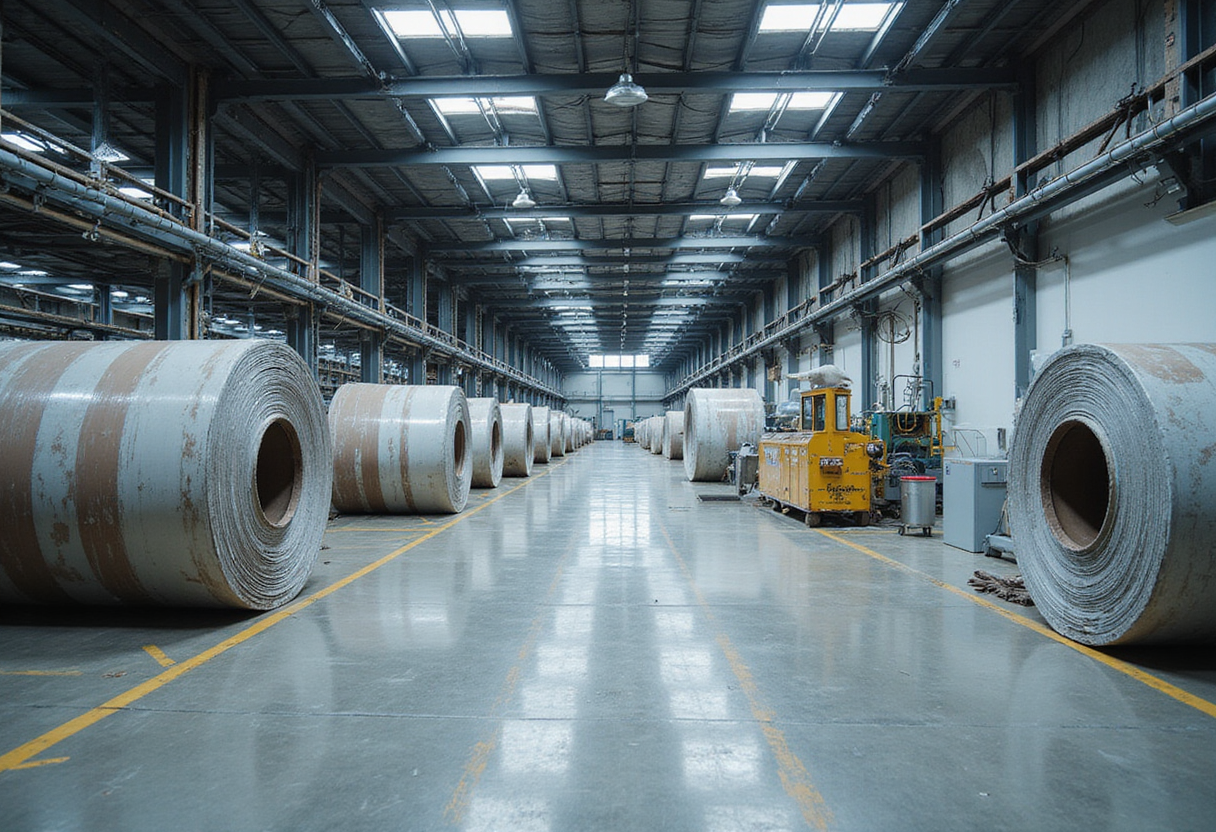
US recycling technology firm Circ and Chinese materials manufacturer Huafon will build a textile-to-textile recycling facility in China, with phase one designed to process around 200 metric tonnes of polycotton textile waste per day. The two companies, plus selected investors who were not named, are jointly funding the multi-phase project, which will sit inside Huafon's existing industrial footprint and run on Circ's proprietary separation technology.
For sourcing executives, the relevant detail is what comes out of the process. According to Circ, the plant will recover recycled purified terephthalic acid (PTA), recycled monoethylene glycol (MEG) and recycled cellulosic pulp — the building blocks of polyester and viscose supply chains, not niche feedstocks. That positions the output as a drop-in replacement at the chemical intermediate tier, upstream of fibre spinning.
Who brings what to the deal?
The division of labour is clearly drawn. Circ supplies the technology plus its relationships with global brands and downstream buyers already looking to integrate recycled inputs. Huafon supplies chemical production expertise, engineering, procurement and logistics, and says that capability stack should accelerate construction and deployment.
Circ CEO Peter Majeranowski framed the location choice in supply-chain terms: "China is at the centre of global textile production, making it a critical location for scaling textile-to-textile recycling. Huafon brings the industrial capabilities, experience, and investment to move quickly and build a platform that can scale well beyond this first site."
Huafon is no newcomer to materials chemistry. The company has more than 30 years in materials manufacturing and expanded its global position through recent acquisitions, including the former DuPont Biomaterials business, now trading as Covation Biomaterials. Those holdings give it operations and customer relationships beyond China — useful if the joint platform later feeds Western brand supply chains.
Feifeng You, vice president of Huafon and chairman of Huafon Microfibre Shanghai Tech Co., said: "Circ has developed one of the most promising textile-to-textile recycling technologies we have seen, and Huafon is ready to help bring it to market. By combining Circ's innovation with our industrial strength and investment, we can turn textile waste into high-quality materials at a scale the industry needs."
How does this line up with Chinese policy?
The project also tracks Beijing's policy direction. Circ and Huafon say the facility aligns with China's 15th Five-Year Plan, which calls for a circular economy through stronger waste management, higher-quality material recycling and lower-carbon industrial activity. For buyers mapping recycled-content claims to regulatory frameworks, that alignment matters: state policy support can shorten permitting and grid the project with compliance momentum in a country that accounts for the bulk of global textile output.
Further capacity increases are planned beyond phase one, though neither company has published a timeline or a capex figure. In the coming phases, the partners intend to engage brands, supply-chain partners and downstream buyers to expand both capacity and commercial offtake.
What should sourcing teams do now?
The decision this news forces is one of specification planning. Brands committed to recycled polyester or next-gen cellulosics now have a credible China-based chemical recycling route at industrial scale in development, co-located with the converters and spinners most of them already use. Procurement teams should track phase-one commissioning and ask suppliers whether recovered PTA and MEG from this route will meet their recycled-content standards and certification requirements before committing volumes.
via just-style (Source)
More from Olivia Hart
Show full bio
Senior reporter covering regulation, policy and their impact on Light industry and softgoods manufacturing at Softgoods Report.
269 articles