Textile Mills & FibersTKT-AAA1
Greek cotton harvest under way as growers demand price risk-sharing
Greece expects a near-record cotton harvest, but growers in Livadeia say brands must sign multi-year contracts and share climate risk as aquifers and soils degrade.
- Cut
- October 12, 2026
- Sew
- 2 min
- Ticket
- TKT-AAA1
Construction
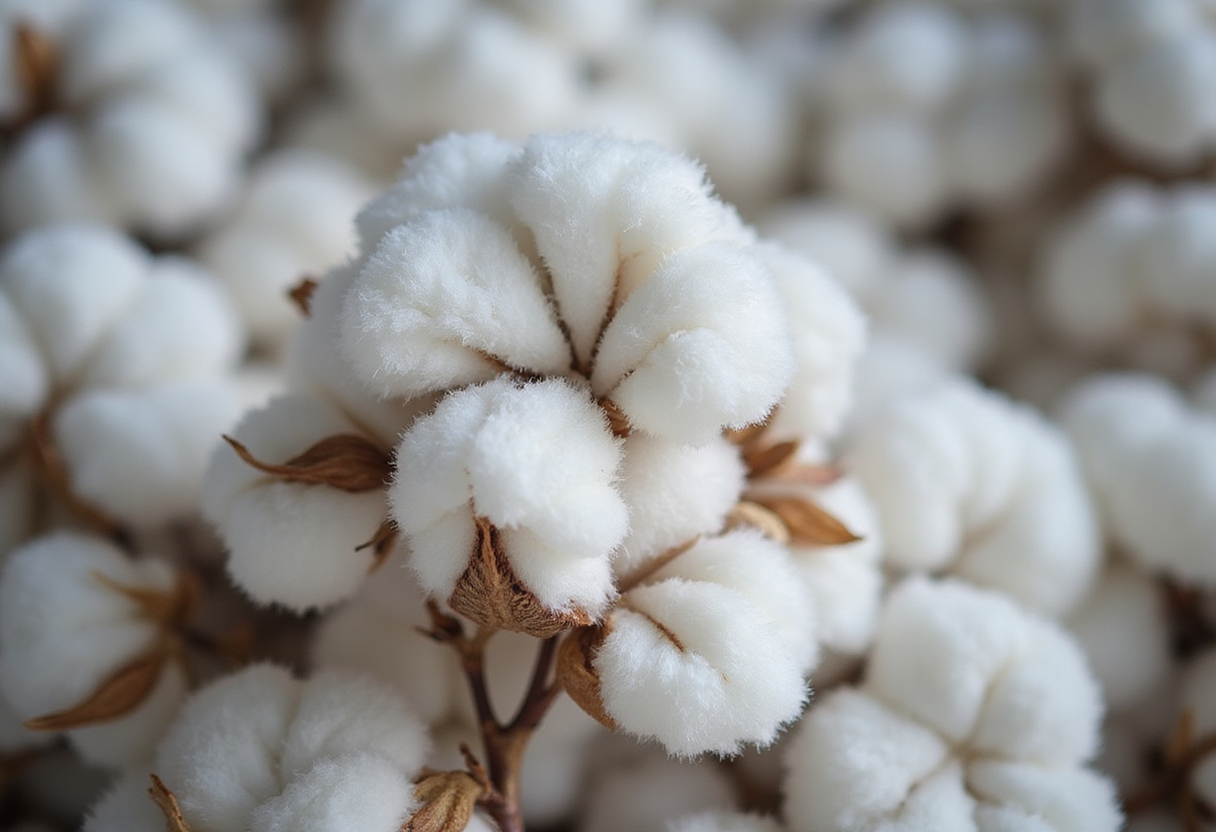
Greece's cotton harvest is under way with early expectations of a near-record crop.
Hot, dry weather suppressed pests and supported strong initial yields.
Growers cite depleted aquifers, longer heatwaves, degraded soils and volatile prices.
Buyers seeking traceable European cotton are being asked to commit via multi-year contracts.
Greece's cotton harvest is now under way, and hot, dry conditions have kept pest pressure low enough to raise early expectations of a near-record crop — yet growers say brands buying European cotton must now absorb more of the cost and climate risk behind it.
The message from growers in Livadeia, in the heart of the Greek cotton belt, is direct: buyers who want secure, traceable European cotton must demonstrate that commitment through multi-year contracts rather than spot purchasing. The demand reframes European cotton from a commodity transaction into a supply agreement with shared climate risk.
What is behind the strong yields?
Hot, dry weather during the growing season has suppressed pests, supporting healthy plants and strong initial yields. Growers report conditions favourable enough to talk about a harvest close to record levels for the country.
Greece is Europe's principal cotton producer, and the fibre has become a traceable, close-to-home option for brands seeking shorter supply chains and verified origin within the region.
Why are growers pushing for multi-year contracts?
Behind the strong early results sits a sector under structural strain. Growers point to:
- Depleted aquifers, tightening irrigation water availability
- Longer and more frequent heatwaves during the growing season
- Degraded soils reducing long-term productivity
- Volatile prices that expose producers to swings they cannot hedge
That combination — strong near-term output but weakening production fundamentals — is what drives the demand for multi-year contracts. Growers argue that a single good season does not resolve the underlying risk, and that the cost of climate uncertainty should not sit solely with the producer.
The implicit proposition to buyers: pay for security of supply and traceability through committed volumes over multiple seasons, or face a European cotton base that may not remain reliable on current terms.
What does this mean for sourcing decisions?
For apparel and home-textile brands positioning European cotton as a traceable, lower-footprint fibre, the Greek position sets a clear commercial condition. Traceability claims anchored in European origin carry a price of entry: longer contract terms and shared exposure to climate-driven yield and cost variability.
Sourcing teams evaluating European cotton against other traceable origins — or against certified programmes elsewhere — now face a structural question. If the supplier base itself is asking for multi-year commitments as the condition of reliable supply, the decision is no longer a seasonal price comparison but a portfolio commitment.
The forced decision: treat European cotton as a strategic, contracted input with shared climate risk — or treat it as a spot-market fibre and accept the supply and traceability consequences if Greek growers' conditions hold.
via Ecotextile News (Source)
More from Tom Whitfield
Show full bio
Staff writer covering companies, deals and strategy in Light industry and softgoods manufacturing at Softgoods Report.
258 articles