Apparel Manufacturing & SourcingTKT-8EB7
Italian Textile Machinery Makers Push for Stronger Bangladesh Ties
Italian textile machinery manufacturers are pursuing closer ties with Bangladesh's garment factories, targeting the country's factory upgrade cycle as buyers push compliance demands.
- Cut
- October 10, 2026
- Sew
- 3 min
- Ticket
- TKT-8EB7
Construction
Italian textile machinery firms are actively targeting stronger commercial ties with Bangladesh, InteriorDaily reported on 6 June 2025.
The initiative targets Bangladesh's garment sector — the country's dominant export industry.
No specific companies, contract values, or order volumes were named in the report.
The outreach positions Italian suppliers against Chinese, German, Japanese and Turkish equipment vendors.
Italian textile machinery manufacturers are pursuing deeper commercial ties with Bangladesh, InteriorDaily reports, a move that targets one of the world's largest garment-exporting economies as its factories face mounting pressure to modernise production.
The report, carried by InteriorDaily on 6 June, frames the Italian push as a supplier-market play rather than a diplomatic gesture: Italy's machinery sector wants Bangladeshi mills, knitwear plants and finishing houses to buy European automation, dyeing and spinning equipment as they chase compliance deadlines and order-book demands from Western buyers.
What is driving the Italian outreach?
Bangladesh's apparel sector — the country's dominant export industry — has spent recent upgrade cycles re-equipping washing, dyeing and effluent-treatment lines to satisfy buyer codes and environmental rules. That capital-spending pipeline is what Italian manufacturers are positioning against competitors from China, Germany, Japan and Turkey.
The InteriorDaily report does not name specific Italian companies or order values attached to the initiative. It confirms the direction of travel: Italian machinery suppliers want a larger share of Bangladeshi factory investment, and they want it through closer, longer-term relationships with local mills and garment groups rather than one-off equipment sales.
Where does this sit in the supply chain?
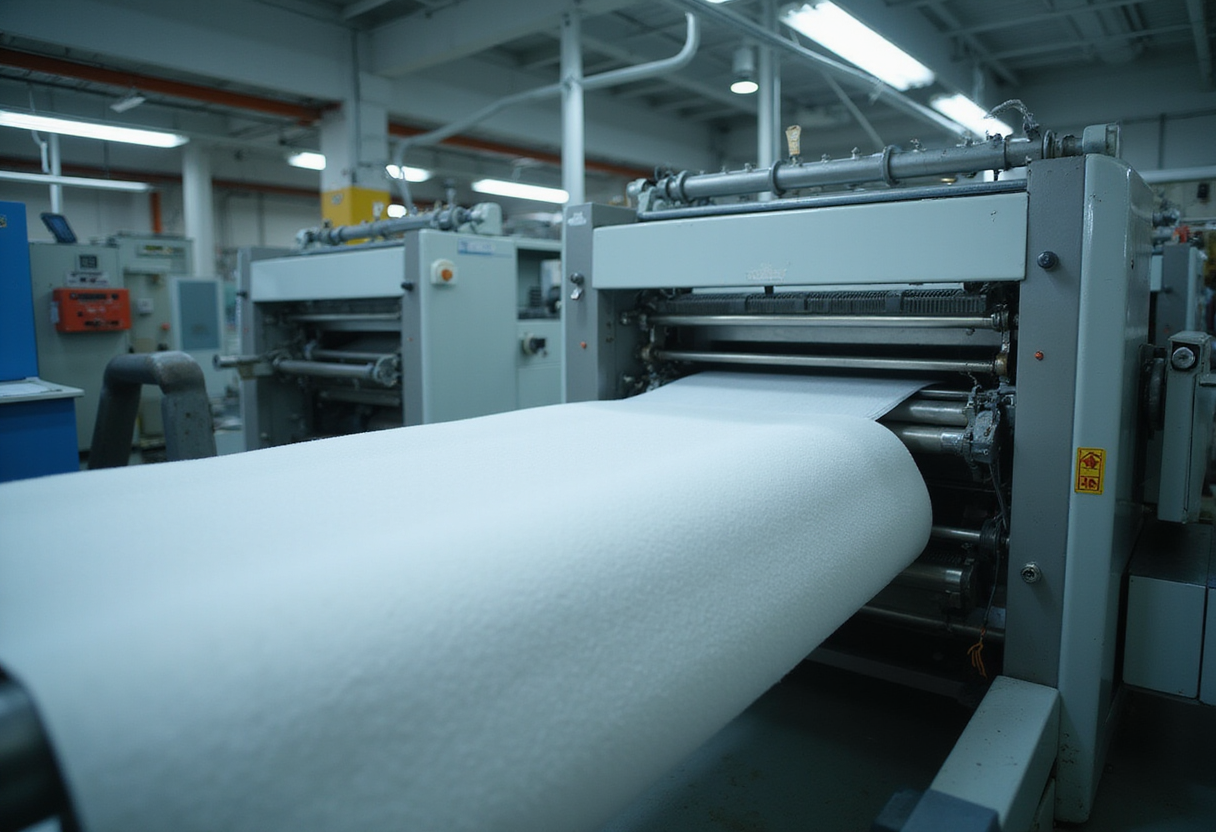
This is a tier-three story. The transaction layer is capital equipment — spinning, weaving, knitting, dyeing, finishing and garment-making machinery — sold to Bangladeshi fabric mills and cut-make-trim factories. The consequence layer sits with the brands that source from those factories.
For buyers, a better-equipped supplier base in Bangladesh can mean:
- Faster turnaround on fabric quality and consistency issues
- Improved ability to meet chemical-management and wastewater standards tied to buyer codes
- Capacity for more complex products — performance wear, technical knits, finished garments with automated cutting and sewing
Italian machinery firms have historically sold into Bangladesh's knitwear and denim segments, where European buyers concentrate their orders. Any strengthening of that foothold would track the same factory base.
Confirmed versus rumoured
What is confirmed: Italian textile machinery companies are actively targeting stronger ties with Bangladesh, as reported by InteriorDaily. What is not in the report: named buyers, named Italian manufacturers, contract values, headcount at any facility, or a tariff and policy instrument behind the outreach.
Any figure circulating on order volumes or plant investments tied to this initiative should be treated as market rumour until a party to the transaction confirms it.
What decision does this force?
For sourcing directors, the Italian push is a supplier-capability signal. If European equipment vendors are deepening their presence in Bangladesh, the likely outcome over successive capex cycles is a Bangladeshi supplier base able to take on more technical, higher-compliance work — and less reason to dual-source those products to Vietnam or Turkey.
For Bangladeshi mill and factory owners, the question is financing. Italian machinery carries a premium price against Chinese equivalents, and the buyers who benefit most from the upgraded output are Western brands that have been unwilling to fund the capital expenditure directly. The sourcing decision the news forces is this: buyers who want the compliance and quality gains of European-equipped factories should expect those factories to ask for longer commitments — or better prices — to pay for them.
via Google News: Textile machinery and sewing automation (Source)
More from Olivia Hart
Show full bio
Senior reporter covering regulation, policy and their impact on Light industry and softgoods manufacturing at Softgoods Report.
227 articles