Technical Textiles & NonwovensTKT-ADCB
Kruger Bets on Wetlace Capacity for Nonwovens Supply
Kruger has confirmed a Wetlace line investment, adding dispersible nonwovens capacity. No spend or timeline disclosed; buyers should press for certification and volume details.
- Cut
- October 17, 2026
- Sew
- 2 min
- Ticket
- TKT-ADCB
Construction
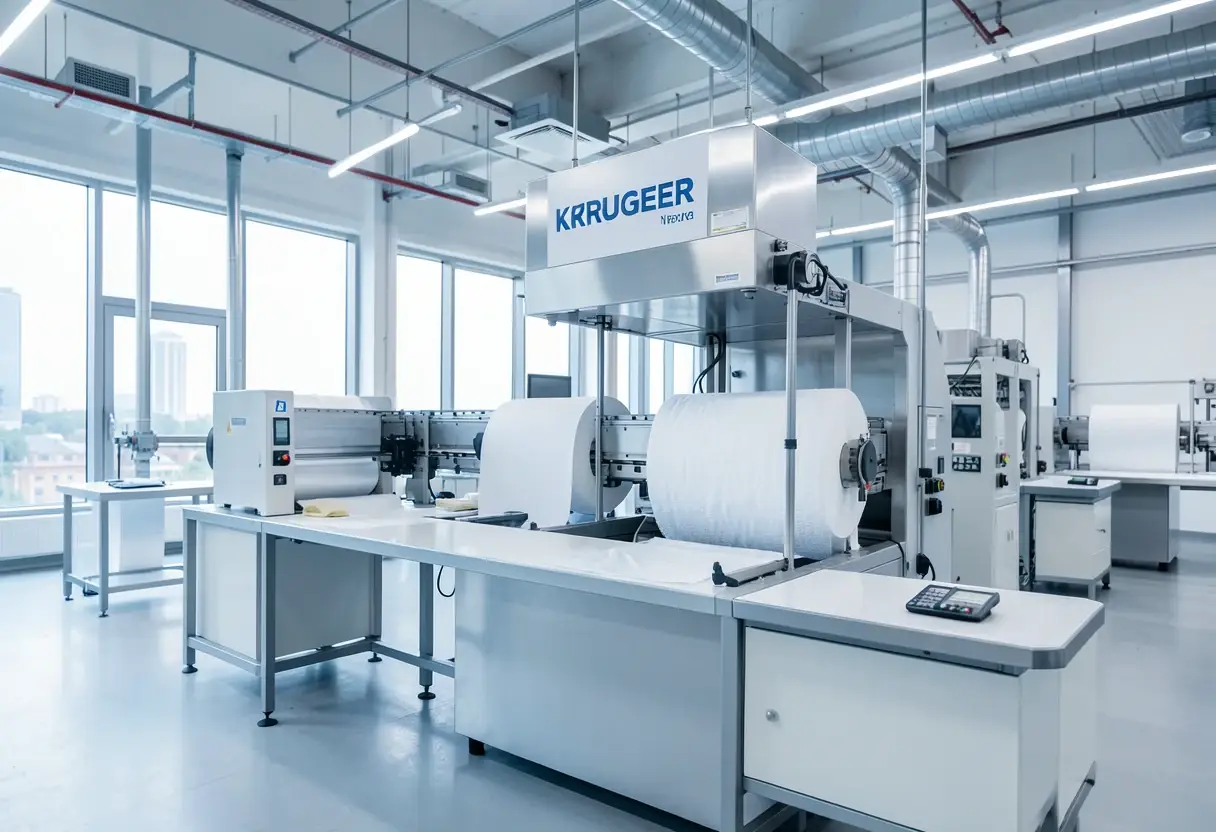
Kruger has confirmed investment in a new Wetlace production line for nonwovens
The investment was reported by Nonwovens Industry
No spend amount, site, capacity or commissioning date was disclosed
Wetlace combines wetlaid formation with hydroentanglement for dispersible, pulp-based substrates
Kruger supplies roll goods to converters and wipe producers rather than finished consumer products
Kruger has confirmed an investment in a new Wetlace production line, adding capacity in a nonwovens segment where flushable and hygiene substrates keep gaining ground. The company disclosed the move in an item carried by Nonwovens Industry, though the release did not specify the spend, line width or commissioning date.
For buyers of flushable wipes substrates and spunlace-adjacent materials, the investment signals one more qualified source in a North American market where capacity decisions ripple through tender calendars. Wetlace technology — a hybrid of wetlaid and hydroentanglement processes — produces dispersible nonwovens that can meet flushability standards while keeping the strength converters need on high-speed lines.
Who is Kruger and where does this sit in the supply chain?
Kruger operates on the materials tier, supplying roll goods to converters and branded wipe producers rather than selling finished consumer goods. The Quebec-based group has built its nonwovens business around spunlace and specialty substrates, and a Wetlace addition extends that position further into dispersible applications.
That tier matters for sourcing teams. When a roll-goods supplier adds a dedicated Wetlace line, it widens the pool of mills able to supply flushable-certified material — relevant for any brand navigating regional supply or dual-sourcing requirements.
What does the Wetlace line actually change?
The confirmed commitment is the line itself. Nonwovens Industry reported the investment, but the disclosure stopped short of naming a site, capacity in tonnes or a startup timeline, so buyers should treat volume and availability details as unconfirmed until Kruger publishes them.
What the technology implies is clearer. Wetlace combines wood pulp with short-cut fibres through wetlaid formation and hydroentanglement bonding, delivering a plastic-free or reduced-plastic substrate that disperses in water. Converters targeting flushability claims typically need material traceable to recognised dispersibility test protocols — a compliance item, not a marketing line.
Sustainability claims: trace them to the standard
Any flushable positioning built on this new capacity will stand or fall on third-party standards. Buyers sourcing dispersible substrates generally require testing against recognised flushability assessment protocols, and pulp-based Wetlace structures support the plastic-reduction targets now written into several regional regulatory frameworks for wipes and single-use nonwovens.
The sourcing decision this forces is straightforward: hygiene and wipes brands weighing supplier diversification should ask Kruger for the certification file and capacity schedule before committing volumes — and ask existing suppliers how their flushable substrate roadmap compares.
via Google News: Technical textiles and nonwovens (Source)
More from Olivia Hart
Show full bio
Senior reporter covering regulation, policy and their impact on Light industry and softgoods manufacturing at Softgoods Report.
298 articles