Trade & Sourcing PolicyTKT-95E4
Linyi Trade City opens international sourcing centre in east China
Linyi Trade City in east China's Shandong Province has opened an international sourcing centre to grow foreign trade, Xinhua Silk Road reported, adding export-facing infrastructure.
- Cut
- October 15, 2026
- Sew
- 2 min
- Ticket
- TKT-95E4
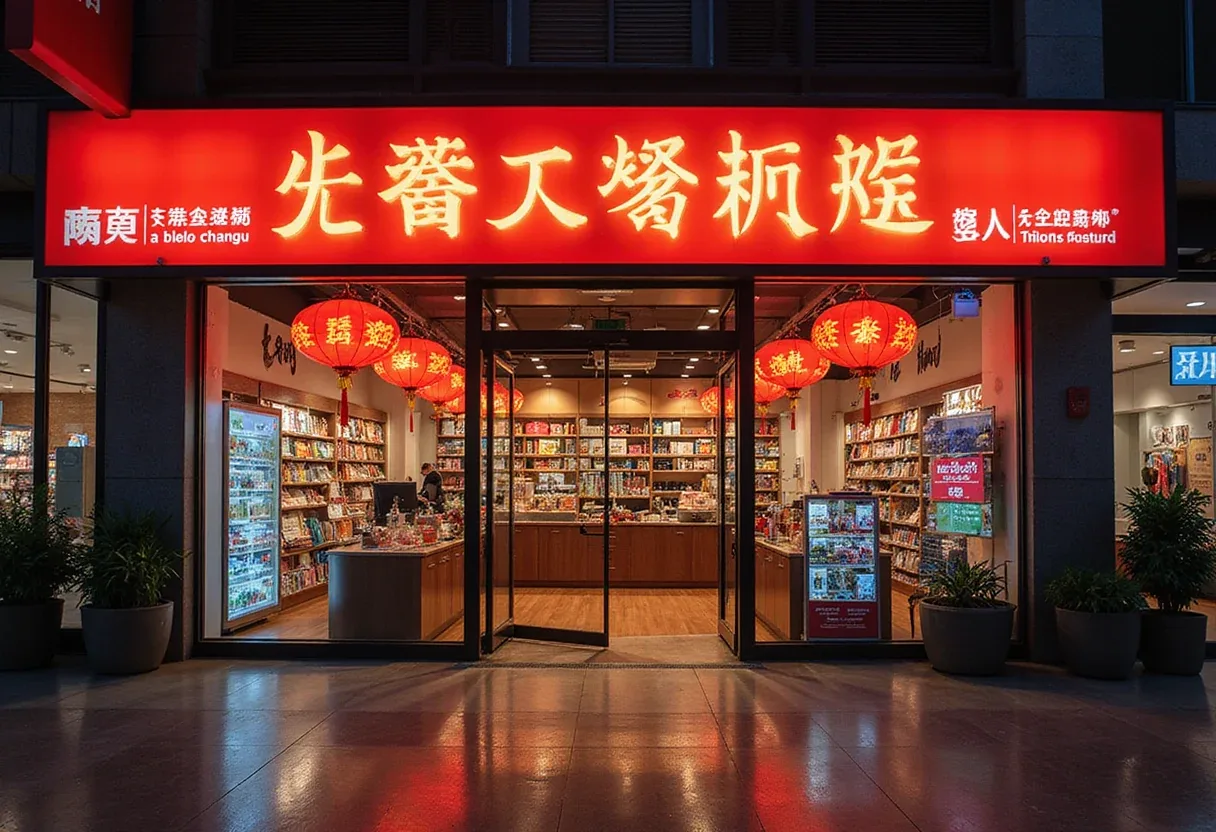
Construction
Linyi Trade City in east China's Shandong Province has launched an international sourcing centre.
Xinhua Silk Road reported the launch; the stated goal is to foster foreign trade.
The centre adds an export-facing layer to one of China's largest wholesale trading clusters.
No buyer-supplier commitments, category priorities or volume targets were announced with the launch.
Linyi Trade City, the wholesale trading hub in east China's Shandong Province, has launched an international sourcing centre designed to grow foreign trade, Xinhua Silk Road reported. The facility adds a dedicated export-facing layer to a market complex that already ranks among China's largest commodity trading clusters.
The reported purpose is specific: connect the city's existing manufacturer and trader base more directly to overseas buyers, and channel more of the region's goods — spanning the softgoods categories the trade city handles — into export orders rather than domestic wholesale channels alone.
What does the new centre actually do?
According to the Xinhua Silk Road report, the sourcing centre serves as a matching point between Linyi's supplier base and international purchasers. Its stated function is to foster foreign trade, meaning buyers sourcing from the region gain a formal entry point rather than working through ad hoc wholesale-market contacts.
For sourcing teams, the practical read is this: Linyi sits in Shandong, a province with deep textile, garment and light-manufacturing supply chains. A government-backed sourcing facility of this type typically signals an effort to consolidate fragmented supplier access into a single channel that can handle export documentation, buyer verification and order aggregation.
The report frames the launch as an infrastructure move rather than a policy change — a physical and institutional addition intended to raise export volumes from a hub already known for scale.
Confirmed facts versus what remains unclear
The confirmed element is the launch itself and its stated goal, as reported by Xinhua Silk Road. The report does not specify:
- Which product categories the centre will prioritise;
- Headcount or facility size;
- Whether specific buyers or trading partners have signed commitments;
- A target date or export-volume figure.
Treat those open questions as unknown until the operators publish details. No buyer-supplier commitments have been announced alongside the launch.
Why a Shandong sourcing hub matters now
China's export manufacturing base continues to invest in buyer-facing infrastructure even as some apparel and softgoods sourcing shifts toward Southeast and South Asia. A new sourcing centre at an established wholesale cluster points to an effort to retain and grow direct export business at the tier where small and mid-sized factories aggregate.
Linyi's model has historically relied on domestic wholesale volume. Building an international sourcing layer aims to convert that installed capacity toward overseas orders — the mechanism behind the launch.
What sourcing teams should do
Buyers already sourcing softgoods from Shandong, or evaluating the region against Vietnam, Bangladesh or India options, should register the new centre as a formal access point and ask three questions of any supplier that references it: which categories the centre covers, whether export documentation and compliance support run through the facility, and what order minimums apply for consolidated export lots.
Until the operators publish category and volume details, the launch is a signal of intent — Shandong is investing in export channels — rather than a confirmed shift in buyer commitments.
via Google News: Apparel manufacturing and sourcing (Source)
More from Grace Kim
Show full bio
Correspondent covering regulation, policy and their impact on Light industry and softgoods manufacturing at Softgoods Report.
290 articles