Textile Mills & FibersTKT-EBE0
Punjab Textile Mills Petition Provincial Government for Cheaper Electricity
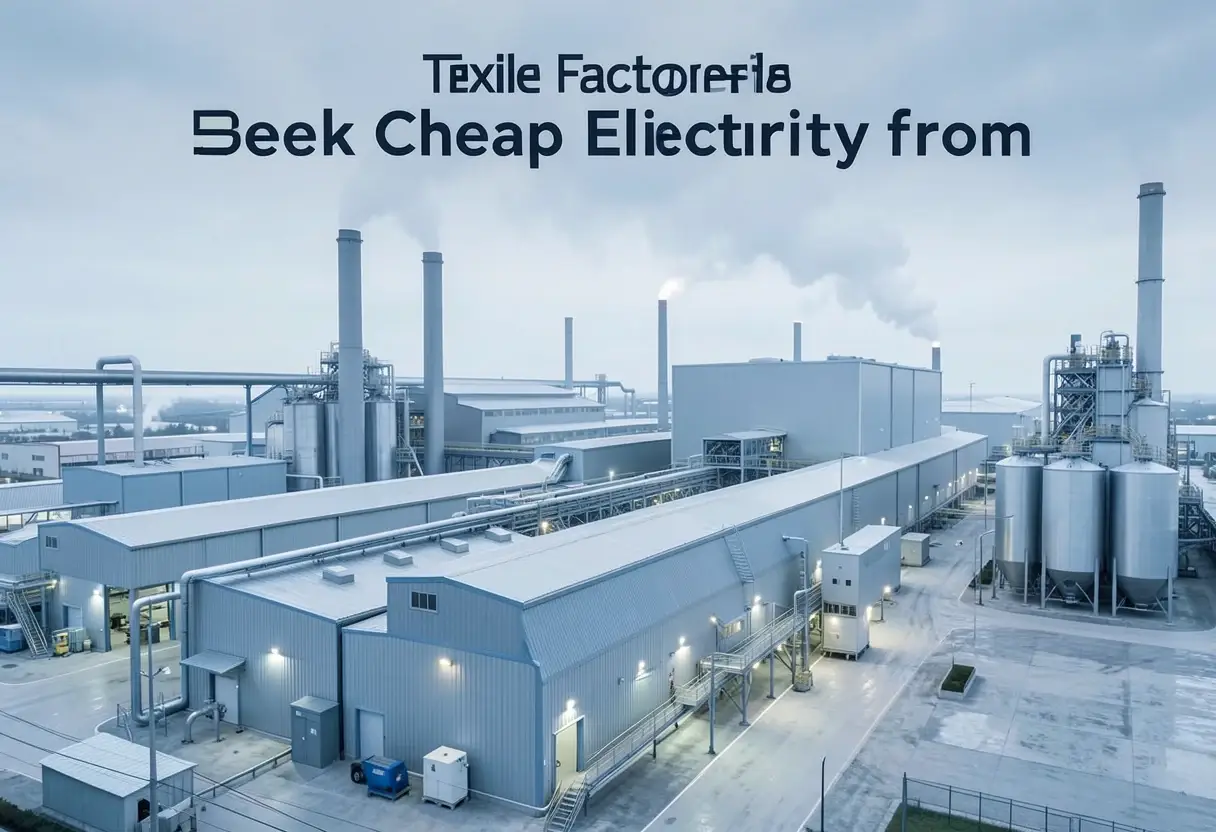
Pakistan's Punjab-based textile mills have formally sought cheaper electricity from the provincial government, ProPakistani reported. The petition targets energy costs that anchor margins across Pakistan's largest textile-producing region.
- Cut
- October 16, 2026
- Sew
- 2 min
- Ticket
- TKT-EBE0
Construction
Punjab-based textile mills formally petitioned the provincial government for cheaper electricity, ProPakistani reported
Available reporting does not disclose the specific tariff band, number of signatory factories, or ministry addressed
Punjab holds the bulk of Pakistan's installed textile capacity, centred on Faisalabad, Multan, and Lahore
Provincial authorities control surcharges, wheeling charges, and subsidy timing on top of federal bulk-supply tariffs
Punjab has issued intermittent, time-bound relief packages since 2022, none spanning a full financial year
Pakistan's Punjab-based textile mills have formally sought cheaper electricity from the provincial government, ProPakistani reported. The petition targets a cost line that anchors factory-floor margins across the country's largest textile-producing region.
What did the mills actually request?
The available reporting discloses one hard fact only: the request was made. ProPakistani's published summary does not specify the tariff band sought, the number of factories that signed the petition, or the provincial ministry addressed. Buyers sourcing from Faisalabad, Lahore, and Multan clusters cannot yet gauge the request's commercial weight.
Energy is the largest controllable cost for any spinning or weaving unit after raw cotton. A reduction of even a single rupee per kilowatt-hour shifts the margin on grey yarn by enough to reset a fabric contract.
Why is Punjab the centre of this fight?
Punjab holds the bulk of Pakistan's installed textile capacity. Faisalabad operates as the country's knit-and-woven hub. Multan runs ginning. Lahore hosts finishing and garment units. Each cluster depends on a grid that mixes hydel, furnace-oil, and gas-fired generation, all of which moved above cost-recovery tariffs after the federal reset.
The federal tariff structure governs bulk supply to industry. Provincial authorities control surcharges, wheeling charges, and the timing of any subsidy clearance. Mills are asking Punjab to pull the lever it actually controls.
What is the Punjab government's record?
Punjab has issued intermittent relief packages for industry since 2022. Most were tied to Ramadan, Eid, or export-deadline windows. None spanned a full financial year. Mill owners have learned to discount every fresh announcement before pricing it into orders.
The current petition reportedly seeks a sustained reduction rather than a seasonal concession. That distinction matters for sourcing managers locking in 2026 capacity, who need to know whether the relief is structural or symbolic.
What does this change for buyers sourcing from Pakistan?
Nothing today. Current rates stand until the provincial cabinet clears a fresh notification. Sourcing teams holding Pakistan-origin orders should track the Punjab energy department's weekly summaries and the All Pakistan Textile Mills Association (APTMA) Lahore office circulars for any movement.
If Punjab grants the relief, landed fabric costs could fall by an amount sufficient to undercut Bangladesh and Vietnam on basic grey cloth. If the cabinet stays silent, expect further capacity migration toward Karachi's Q-Industrial parks, where captive LNG offers a partial hedge against grid uncertainty.
The story closes on the single question buyers need answered: will Punjab reset the tariff, or will mills continue to discount each announcement?
via Google News: Textile industry (Source)
More from Tom Whitfield
Show full bio
Staff writer covering companies, deals and strategy in Light industry and softgoods manufacturing at Softgoods Report.
307 articles