Trade & Sourcing PolicyTKT-5197
Canal Disruptions Push Record Cargo Volumes Into California Ports
Record cargo volumes are hitting California ports as canal disruptions reroute freight westward, WWD reports — apparel importers should expect congestion costs.
- Cut
- October 14, 2026
- Sew
- 3 min
- Ticket
- TKT-5197
Construction
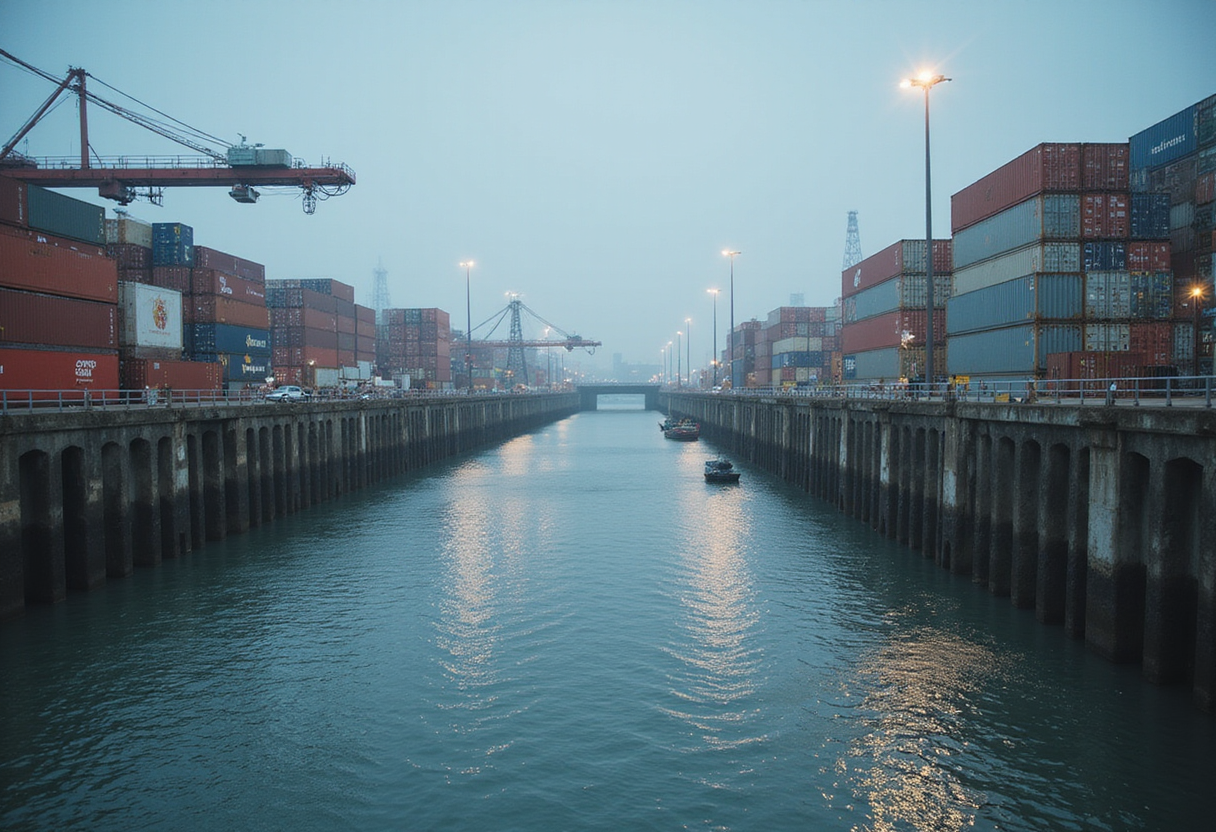
WWD reports a record cargo influx at California ports.
Canal disruptions are the reported driver of the volume shift toward West Coast gateways.
The surge concentrates apparel import volumes at LA-area ports, tightening dwell times and inland capacity.
California's ports are taking in record cargo volumes as canal disruptions push shippers to reroute freight toward US West Coast gateways, WWD reports. For apparel and soft goods importers, that changes the calculus on where goods land and how quickly they clear the dock.
What's confirmed so far?
The core fact, as reported by WWD, is the record influx itself: cargo arriving at California ports has hit a high-water mark, and the driver is disruption at the canals that normally feed Asia-to-US East Coast and Gulf routings. That's a confirmed development reported by a named trade outlet, not market chatter.
What sits beneath it is a supply-chain rerouting story. When the Suez and Panama corridors become unreliable or expensive, carriers shift capacity (the share of vessels and slots allocated to a route) to transpacific services discharging at Los Angeles and Long Beach. Importers who had balanced freight across East, Gulf and West Coast gateways suddenly see more of their volume funnel through one region.
For sourcing teams, that concentration matters in three places:
- Port dwell and terminal congestion at LA/Long Beach, which stretches container turnaround times.
- Inland capacity, as more containers move east by rail and truck from a single coastal cluster.
- Port labour and drayage (short-haul trucking from dock to warehouse) demand, which tightens when volume spikes land in one geography.
What does it change for apparel importers?
The practical consequence is timing. Fashion and soft goods buyers work against seasonal delivery windows, and a port-side surge eats the buffer between vessel arrival and on-shelf dates. Product that once cleared smoothly across dispersed gateways now queues behind the same record volume WWD identified.
It also changes cost exposure. When cargo shifts to California, importers relying on East Coast distribution centres face longer inland legs, and that per-container landed cost rises even when ocean rates themselves stabilise. Compliance teams should watch the knock-on too: longer dwell raises the risk of demurrage and detention charges (fees for holding containers or equipment past free time), which are contract items worth reviewing with forwarders now.
Rerouting versus permanent shift?
Here the source is thinner, and I'd flag the distinction clearly. The record influx is confirmed reporting. Whether it represents a durable realignment of gateway share back toward the West Coast — reversing the post-2022 drift toward East and Gulf Coast ports — is interpretation, and WWD's report doesn't settle it.
Historically, canal-driven reroutings have behaved as pressure valves: volume returns to original routings once transit costs and reliability normalise. Apparel buyers who moved distribution footprints East during the last congestion cycle shouldn't rip up those plans on one peak. But they should stress-test them: if canal disruption persists across booking cycles, the landed-cost advantage of East Coast routings erodes, and dual-gateway strategies (splitting volume across coastlines) regain their appeal.
What should sourcing desks do now?
Three moves follow directly from the reported facts.
-
Recheck routing orders. Confirm with forwarders which bookings will discharge in California versus East/Gulf ports over the next cycle, before congestion pricing locks in.
-
Renegotiate free time. Ask carriers and terminals for extended demurrage-free windows on containers landing at congested California terminals while record volumes persist.
-
Re-sequence inbound deliveries. Prioritise time-critical seasonal goods on earlier vessels so the port surge doesn't collide with delivery deadlines.
The decision this news forces is straightforward: treat California gateways as congested until the reported record influx shows signs of clearing, and price that assumption into every booking decision this quarter.
James Calloway
via Google News: Apparel manufacturing and sourcing (Source)
More from James Calloway
Show full bio
Market editor covering people, launches and day-to-day practice in Light industry and softgoods manufacturing at Softgoods Report.
267 articles