Apparel Manufacturing & SourcingTKT-F3A2
Fire hits Jaipur readymade garment factory; blaze contained in 2.5 hours
Three fire tenders contained a fire at a Jaipur readymade garment factory in 2.5 hours, with clothing stocks damaged at the unit, per Bhaskar English. Operator and ignition cause undisclosed.
- Cut
- October 10, 2026
- Sew
- 3 min
- Ticket
- TKT-F3A2
Construction
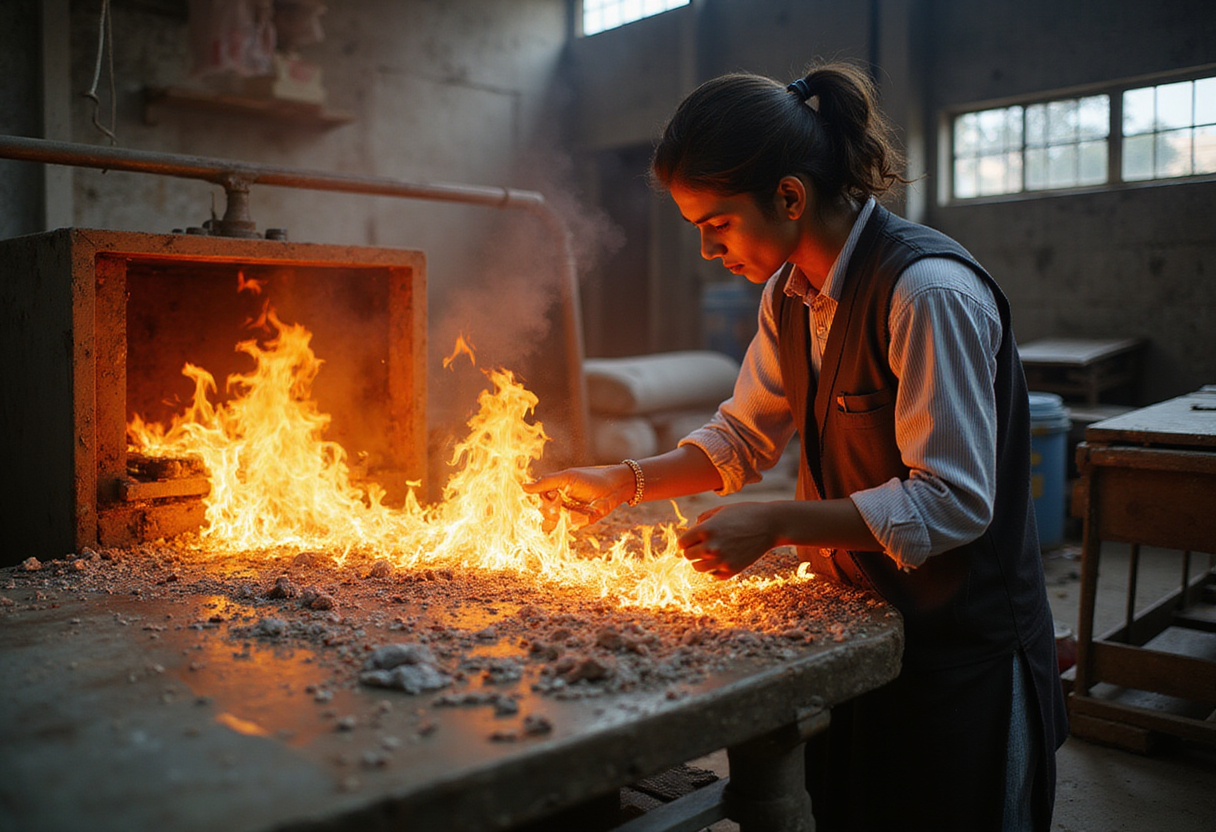
Three fire tenders responded to the blaze at the Jaipur readymade garment factory.
The fire took roughly 2.5 hours to contain, according to Bhaskar English.
Clothing stocks at the unit were caught in the blaze.
Bhaskar English did not name the factory operator, ignition cause, or loss scale.
Three fire tenders contained a blaze at a readymade garment factory in Jaipur in roughly 2.5 hours, with clothing stocks at the unit caught in the fire, according to Bhaskar English.
What did the outlet report?
The regional Hindi-language daily Bhaskar English published the incident on its site, citing local fire service response with three tenders deployed. The outlet has not named the factory operator, the ignition cause, casualty figures, or the scale of material loss. Bhaskar English's report describes only the containment timeline and damage to garments at the unit.
Why does a single Jaipur RMG fire matter for buyers?
Jaipur operates as one of India's largest clusters for readymade womenswear, embroidered apparel, block-printed fabrics, kurtas, and light home textiles. Hundreds of small and mid-sized manufacturing units concentrate across the Sanganer, Sitapura, and VKI industrial areas.
The incident profile Bhaskar English described — three fire tenders, a 2.5-hour containment window, and damaged finished goods — matches typical case files from shared or converted premises serving tier-2 RMG buyers.
For sourcing teams, the supply-chain tier at risk is finished inventory waiting to ship, not upstream fabric mills. That distinction sets the response: PO status checks on the immediate operator rather than broad cluster disruption warnings.
Where does the insurance gap sit?
Most Indian tier-2 RMG units carry building-cover and machinery policies but thin finished-goods cover, often capped at 30-50% of annual turnover. A single tender-attended fire that destroys a packed AW/FW consignment can leave the operator underinsured, which shifts recovery onto buyers through partial-credit memos rather than full invoice cancellation.
Trade teams with confirmed POs at a Jaipur unit post-incident should expect a two-track settlement: insurance-funded loss on the operator side, and a separate commercial negotiation covering short-shipped or substitute-cancellation volumes.
Which compliance bodies typically respond?
Indian factory fire incidents of this scale routinely trigger inspection by:
- Rajasthan State Fire Service, which clears the site for reopening
- The Factory and Boiler Inspection Office under the Rajasthan Factories and Boiler Inspection Department
- The Rajasthan State Pollution Control Board, if dyes, chemicals, or process water sit within the affected block
None of these bodies has issued a public notice on the Jaipur unit fire at the time of Bhaskar English's report. Trade buyers should expect the first compliance signal — a fire clearance certificate or a Pollution Control Board notice — within 7-10 working days.
What should sourcing teams confirm first?
- Which operator runs the unit and which retail buyers and buying agents hold POs there
- Whether ignition was electrical, chemical, or packing-related, since these are the three most common causes cited in Indian factory-fire postmortems
- Full inventory value of damaged finished goods and any loss on raw greige or printed fabric in the same block
- Whether adjacent units will close pending inspection, which would extend shipment slippage
What sourcing decision does the incident force?
The immediate response sits with order-level confirmation. Buying teams sourcing from Jaipur should request a written incident status from any supplier due to ship in the next 14-21 days and re-verify POs against the operator's finished-goods manifest. New work orders for the AW/FW delivery window should carry a force-majeure clause tied to fire-clearance certification rather than general supplier default, given how often a single-unit fire in a tier-2 cluster slips past the standard 30-day force-majeure window into a longer insurance-driven delay.
via Google News: Garment factories (Source)
More from James Calloway
Show full bio
Market editor covering people, launches and day-to-day practice in Light industry and softgoods manufacturing at Softgoods Report.
244 articles