Sustainability & ComplianceTKT-8CFF
Sixone's AI Prism Sorts 70,000 kg of Textile Waste for Recycling
Sixone recycled 70,000 kg of textile waste into Origin polyester using AI that predicts chemical reactions. Its tests found three chemical paths among 1,000 identical shirts.
- Cut
- October 16, 2026
- Sew
- 3 min
- Ticket
- TKT-8CFF
Construction
Sixone has recycled 70,000 kg of complex textile waste into Origin polyester, all sold to brand partners.
Tests on ~1,000 identical garments from one brand found three distinct chemical compositions despite a single manufacturer.
BCG: of 120 million tons of clothing discarded in 2024, 80% was incinerated or landfilled and under 1% recycled into new textiles.
Sixone targets commercial-scale operations around 2030 and is building a demonstration facility in Canada.
BCG projects global clothing discards will reach 150 million tons by 2030.
Canadian tech firm Sixone has recycled 70,000 kilograms of complex textile waste into a branded polyester it calls Origin, using an AI system that predicts how materials will react chemically when broken down. All of that output has been sold to brand partners, the company told Sourcing Journal.
The figure matters because it addresses a problem most sourcing teams cannot see. Two shirts from the same line, made at the same factory, can carry different chemical compositions — and those differences determine whether they can be recycled together at all.
Why identical shirts are not chemically identical
Sixone co-founder Christopher Cai (also spelled Wai in the company's materials) tested the assumption directly. His company examined close to 1,000 garments from one brand partner, all in the same style and, according to the brand, all from the same manufacturer.
"What we showed was that for that 1,000 products, there were three different chemical paths that those products go down to," Cai told Sourcing Journal. "That's really important because we then have to throw away our perceived expectation that if things look the same, they will react the same. We cannot rely on that."
The mechanism is straightforward. Chemical recycling breaks textile waste down to its building blocks. If garments share the same chemical properties, one process handles them all. If they do not, the chemicals can react against each other, hamper recyclability, or release harmful byproducts.
"If you put something that has PFAS into a reactor and something that has urethane into a reactor or silicone into a reactor, those three will break down in different ways," Cai said. "Polyurethane, for example, breaks down into something where it is very toxic in the water. Even a part per million into the water is a big problem."
What does the AI actually do?
Sixone has spent three years on a pilot built around Prism, a proprietary AI that predicts how much high-value polymer sits in a given stream of textile waste and how to extract the best outcome from it.
One distinction matters for buyers evaluating the claim: Prism predicts reactions, it does not identify the actual chemicals. The system groups textiles that would react the same way in a reactor, then routes them accordingly. Cai argues this is the only scalable approach, since full chemical testing of every discarded garment would be expensive, slow and, in his words, destructive.
The stakes are quantified by the Boston Consulting Group. Of the 120 million tons of clothing discarded globally in 2024, 80 percent went to incinerators or landfills. Less than 1 percent was recycled into new textiles. BCG projects the discard volume will reach 150 million tons by 2030.
Where the commercial offer stands
Sixone is not yet at industrial scale. Cai targets commercial operations around 2030 and says the company is building a scalable demonstration facility in Canada. He wants a complete set of algorithms covering every recycling scenario before that launch.
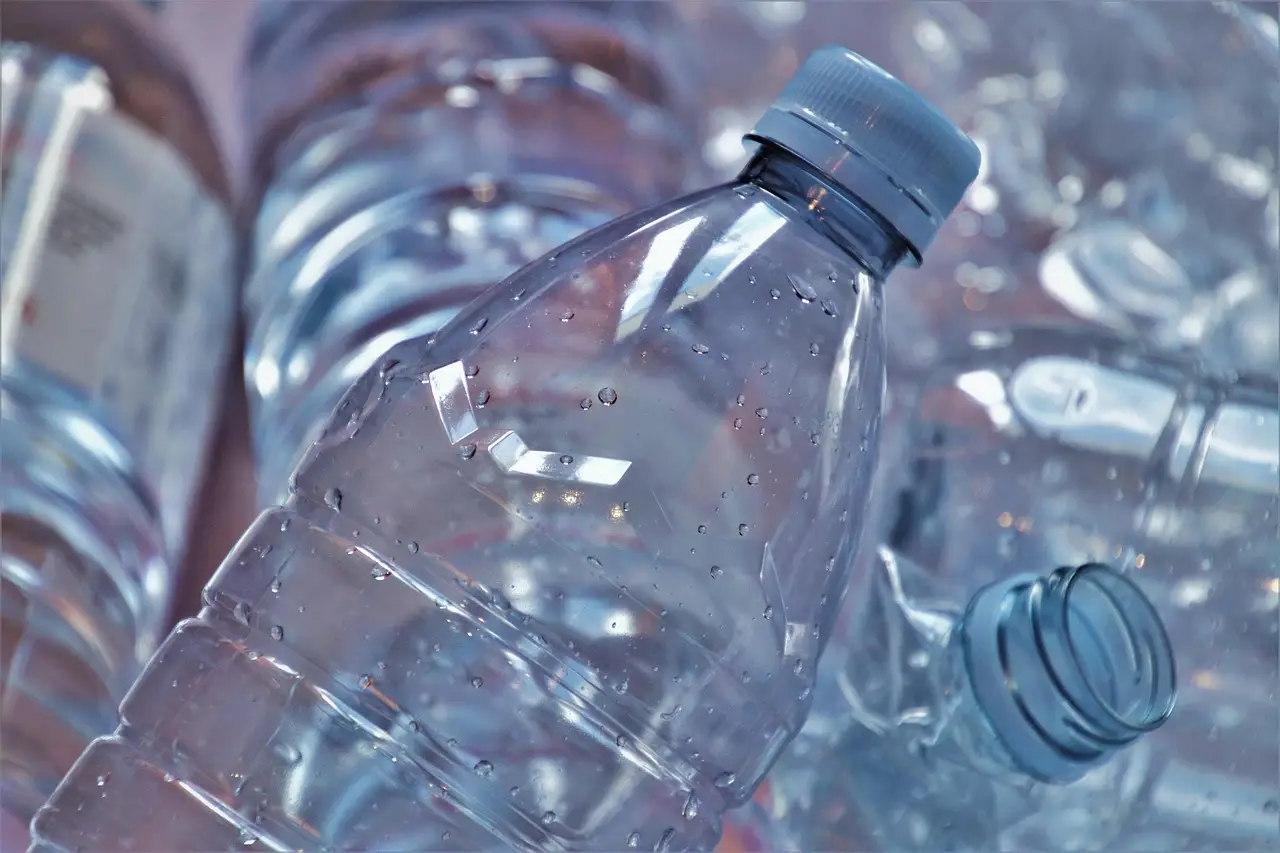
Pricing follows the usual innovation curve: a premium at the start. Cai says Sixone should eventually reach cost parity with branded recycled polyesters made from plastic bottles, the dominant feedstock for recycled PET in apparel today.
The burden of development cost is shared, not carried by the startup alone. "It's about the brands that are willing to go down that journey and understand that there is a cost during these development cycles," Cai said. "Are they bearing all of it? Not necessarily, but are they willing to be on that journey together with us? That becomes quite important."
The sourcing decision this forces
For sourcing and sustainability teams, the finding cuts both ways. Any recycled-polyester claim built on garment-to-garment feedstock now needs evidence of chemical sorting, because composition varies even within a single style from a single manufacturer. Suppliers marketing chemical recycling should expect buyers to ask which detection or prediction method separates PFAS-bearing and polyurethane-bearing items before they enter a reactor. Cai's 1,000-garment test is the data point that makes that question hard to dodge.
via Sourcing Journal (Source)
More from Grace Kim
Show full bio
Correspondent covering regulation, policy and their impact on Light industry and softgoods manufacturing at Softgoods Report.
314 articles